
Your iPhone 12 screen lit up fine yesterday. Now it’s dim, flickering, or completely black. You can almost see your apps if you squint under bright light. The culprit? A tiny component most people have never heard of: the backlight coil or diode.
This guide breaks down everything you need to know:
- What the backlight circuit actually does
- Common causes of coil and diode failure
- DIY risks vs. professional repair
- Real costs you should expect
- How to find a reliable repair shop
At iPhone Repair 4 Less in Lafayette, LA, we handle backlight repairs regularly. Free diagnostics, no fix/no fee policy, and a 1-year warranty on parts. Just saying.
What the Backlight Circuit Actually Does
Your iPhone 12’s display isn’t self-illuminating. Behind that crisp OLED panel sits a backlight system powered by a small but critical circuit. Without it, your screen is essentially a fancy piece of dark glass.
The Core Components
The backlight circuit includes several tiny parts working together:
- Inductor (coil): Boosts voltage from around 4V to the 15-20V needed to power the LEDs
- Diode: Acts as a one-way valve, preventing reverse voltage from damaging the circuit
- Filter: Protects the circuit by breaking if a short occurs
- Backlight IC: The driver chip (like the LM3539 used in iPhone 6 through iPhone 12 Pro Max models) that controls the boost circuit
- Capacitors: Stabilize the electrical flow
How It Works
Most iPhone hardware operates at voltages between 1.8V and 5.2V. However, the backlight circuit runs at about 15-20V. The coil amplifies the signal, the diode keeps current flowing in one direction, and the filter cleans up any noise before power reaches the LED strip.
Pro tip: In modern iPhones, the “backlight IC” is often just a simple diode. The terminology stuck because “install an IC” sounds more complex than “replace a diode.”
When any component fails, your screen goes dark or dim. The good news? These parts are replaceable with the right equipment and expertise.
Common Causes of Coil and Diode Failure
Backlight circuit failures don’t happen randomly. Something triggers them. Understanding the cause helps you prevent future damage and choose the right repair approach.
The Usual Suspects
- Water and liquid damage tops the list. Water corrodes the LCD connector pin/pad junction, breaking the electrical path and damaging the filter. Even minor moisture exposure can wreak havoc on these high-voltage components. And no, rice won’t save you here.
- DIY screen repairs gone wrong are almost as common. The backlight goes out after a screen repair, mainly because the battery is not disconnected during the repair. One slip of the tweezers while the battery is connected, and you’ll see a puff of smoke from the logic board. That’s your backlight filter burning out.
Other common causes include:
- Low-quality replacement screens: Poorly designed “copy” screens can overload the backlight circuit and cause it to fail. Cheap screens with exposed solder joints are notorious for this.
- Long screw damage: Using the wrong screw length during reassembly can puncture circuit traces
- Physical drops: Impact can create cold solder joints or dislodge tiny components
- Corrosion over time: Even phones that “survived” water damage often develop backlight issues weeks later
At higher voltages (15-20V), backlight components are more prone to damage when a short circuit occurs. This is why the backlight circuit fails more often than other phone systems operating at lower voltages.
DIY Risks vs. Professional Repair
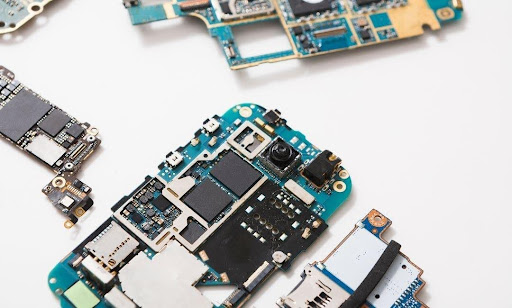
You’ve watched a few YouTube tutorials. You’re feeling confident. But backlight repair isn’t like swapping a battery or replacing a cracked screen.
Why DIY Is Risky
This repair requires microsoldering, which means working with components smaller than a grain of rice under a microscope. The tools alone can set you back hundreds of dollars:
- Trinocular microscope ($200-$2,000+)
- Hot air rework station ($100-$500)
- Precision soldering iron with fine tips ($50-$300)
- Digital multimeter for diagnostics
- Specialized tweezers and flux
Due to the extremely delicate components on the iPhone’s circuit board, extreme caution and proper tools and techniques are required. Microsoldering requires a high level of skill, so if you lack experience with circuit board repair, it is recommended that you seek professional repair services.
Here’s what can go wrong:
| DIY Risk | Consequence |
| Applying too much heat | Separates the sandwiched logic board layers |
| Wrong component orientation | Creates new shorts, potentially killing other circuits |
| Damaged solder pads | Makes future repairs impossible |
| Missing the real problem | You replace the filter, but the diode was also blown |
When Professional Repair Makes Sense
The good news is that nearly all backlight failures are repairable. Once the damaged component is identified, it can simply be replaced.
A qualified technician has the equipment, schematics, and experience to diagnose exactly which component failed. If you damaged the backlight after a DIY screen repair, then 95% of the time, you most likely just need a backlight filter repair. But if the backlight failed on its own, multiple components may need replacing.
At iPhone Repair 4 Less, we diagnose backlight issues for free. If we can’t fix it, you don’t pay. Our technicians have over 8 years of hands-on experience with board-level repairs, and every fix comes with a 1-year warranty on parts. For Lafayette residents, that’s peace of mind you won’t get from a YouTube tutorial.
Real Costs You Should Expect
Backlight repair isn’t the same as a simple screen swap. You’re paying for specialized skills, microscopic components, and equipment most shops don’t own. Here’s what the numbers actually look like.
Pricing Breakdown
For iPhone 12 series backlight repairs not requiring logic board separation, expect to pay around $250. If the repair requires separating the sandwiched logic board layers, costs jump to $500 or more.
| Repair Type | Estimated Cost |
| Simple filter replacement | $100 – $150 |
| Full backlight circuit repair (coil, diode, IC) | $150 – $300 |
| Logic board separation required | $400 – $600 |
| Data recovery from severe damage | $500+ |
If you damaged the backlight after a DIY screen repair, then 95% of the time, you most likely just need a backlight filter repair. That’s the cheaper fix. But if your backlight failed spontaneously, technicians typically need to replace multiple components, which costs more.
Factors That Affect Your Final Bill
- Complexity of the damage. A single blown filter is a quick fix. Corrosion from water damage? That requires cleaning, testing, and potentially replacing several components.
- Prior repair attempts. Any prior microsoldering repair attempt will be charged an additional $100. If you (or another shop) already tried to fix it and failed, the repair becomes harder.
- iPhone model. The iPhone 12’s sandwiched logic board design makes repairs trickier than older models. More complexity means more labor.
Apple does not offer microsoldering services, so they’ll push you to upgrade. Apple wants to charge up to $549 to replace your phone entirely. A $150-$300 backlight repair suddenly looks pretty reasonable by comparison.
How to Find a Reliable iPhone Repair Shop
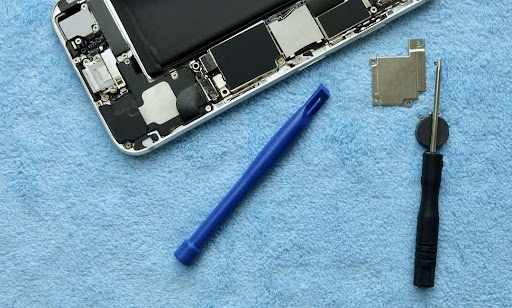
Not every shop that fixes cracked screens can handle backlight repairs. This is board-level work. Choosing the wrong technician can turn a fixable problem into a paperweight.
Green Flags to Look For
Start by checking multiple review platforms, including Google Reviews (look for 4+ stars with 50+ reviews), Yelp ratings and detailed customer experiences, and Better Business Bureau ratings and complaint history.
Beyond reviews, ask these questions before handing over your phone:
- “Do you offer free diagnostics?” A confident shop will diagnose your issue at no cost. If they charge just to look at it, keep walking.
- “What’s your warranty on repairs?” Most reputable shops offer warranties ranging from 30 days to a year, depending on the type of repair. No warranty? No trust.
- “Can you explain what’s wrong in plain English?” Look for shops that clearly explain the repair process, use plain language, and provide detailed quotes before work begins.
- “How long have you been doing microsoldering?” Experience matters. A lot.
Red Flags to Avoid
Pricing red flags include quotes significantly below or above market rates, refusal to provide written estimates, hidden fees that appear after work begins, and pressure to pay upfront for services.
Watch out for these warning signs:
- Vague answers about parts or processes. One of the biggest red flags is a lack of transparency about parts. If they can’t tell you what they’re replacing, they probably don’t know.
- No physical address. Fly-by-night operations disappear when something goes wrong.
- Pressure tactics. Scam repair shops often use urgency and fear to manipulate customers, claiming your phone will be “completely unusable” without immediate, expensive repairs.
- Unwillingness to let you watch. Many reputable shops allow customers to watch repairs being performed.
Why Local Matters
For Lafayette, LA residents, iPhone Repair 4 Less checks every box. We’ve been serving the community since 2010, hold an A+ rating with the BBB, and our technicians have over 8 years of hands-on experience with board-level repairs.
We diagnose for free. If we can’t fix it, you pay nothing. And every repair comes backed by a 1-year warranty on parts. Most backlight repairs are done the same day, so you’re not stuck without your phone for a week.
Ready to Get Your iPhone 12 Back to Full Brightness With iPhone Repair 4 Less?
A dim or dark screen doesn’t mean your iPhone 12 is done. Backlight coil and diode failures are fixable when you know what’s happening inside your phone and who to trust with the repair.
Key Takeaways:
- The backlight circuit boosts voltage to power your screen’s LEDs
- Water damage and DIY screen repairs are the most common causes of failure
- Microsoldering requires specialized tools and skills that most people don’t have
- Professional repairs typically cost $150-$300, far less than Apple’s replacement fees
- Always choose shops offering free diagnostics, written warranties, and transparent pricing
At iPhone Repair 4 Less in Lafayette, LA, we’ve been solving backlight problems since 2010. Free diagnosis, no fix/no fee policy, and a 1-year warranty on parts.
Stop by our shop at 431 E Pont Des Mouton Suite E, or call us at (337) 255-2898. We’ll give you a straight answer, not a sales pitch.
Write a Comment